

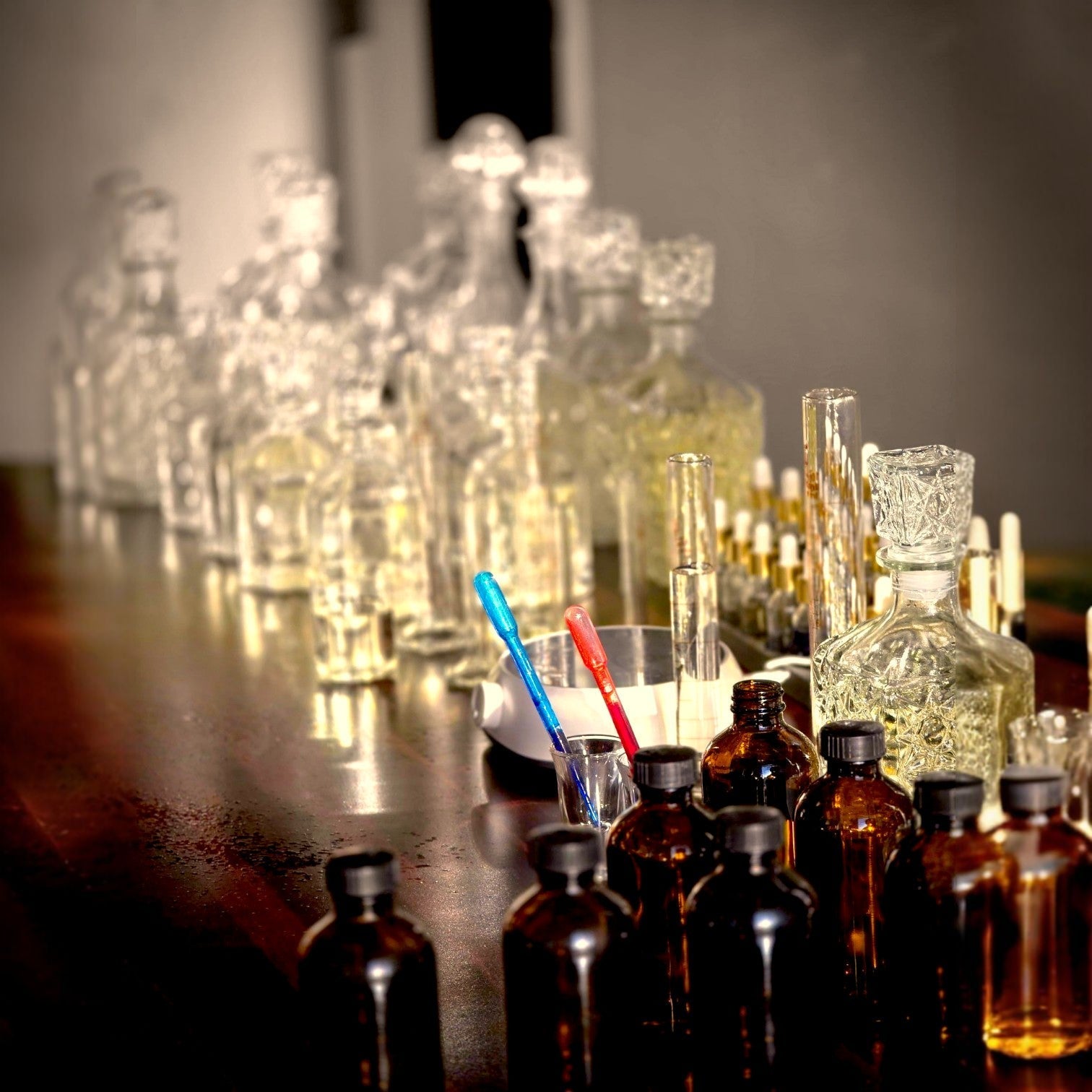
If you've ever received a freshly blended fragrance and wondered how to bring out its full depth and richness faster, you're not alone. Perfume aging—also known as maceration—is a key step in the fragrance world that allows the scent to mature and reach its peak performance. While luxury fragrance houses take weeks to age their perfumes in controlled environments, you can speed up the maceration process at home using a simple and science-backed method: storing your perfume in the fridge.

How Perfume Aging Works in the Industry
In traditional perfumery, maceration involves letting the perfume rest in stainless steel or aluminum tanks for 2 to 6 weeks, allowing all components—alcohol, essential oils, and fixatives—to bind, settle, and stabilize. 
Key steps include:
- Storing in temperature-controlled rooms (15–20°C / 59–68°F)
- Shielding from light and oxygen to prevent degradation
- Filtering after maceration to remove any sediment or haze
- Ensuring every batch is smooth, balanced, and mature
- This industrial aging ensures fragrance maturity, improving projection, longevity, and scent harmony.
How Yom & Layl Does It Differently
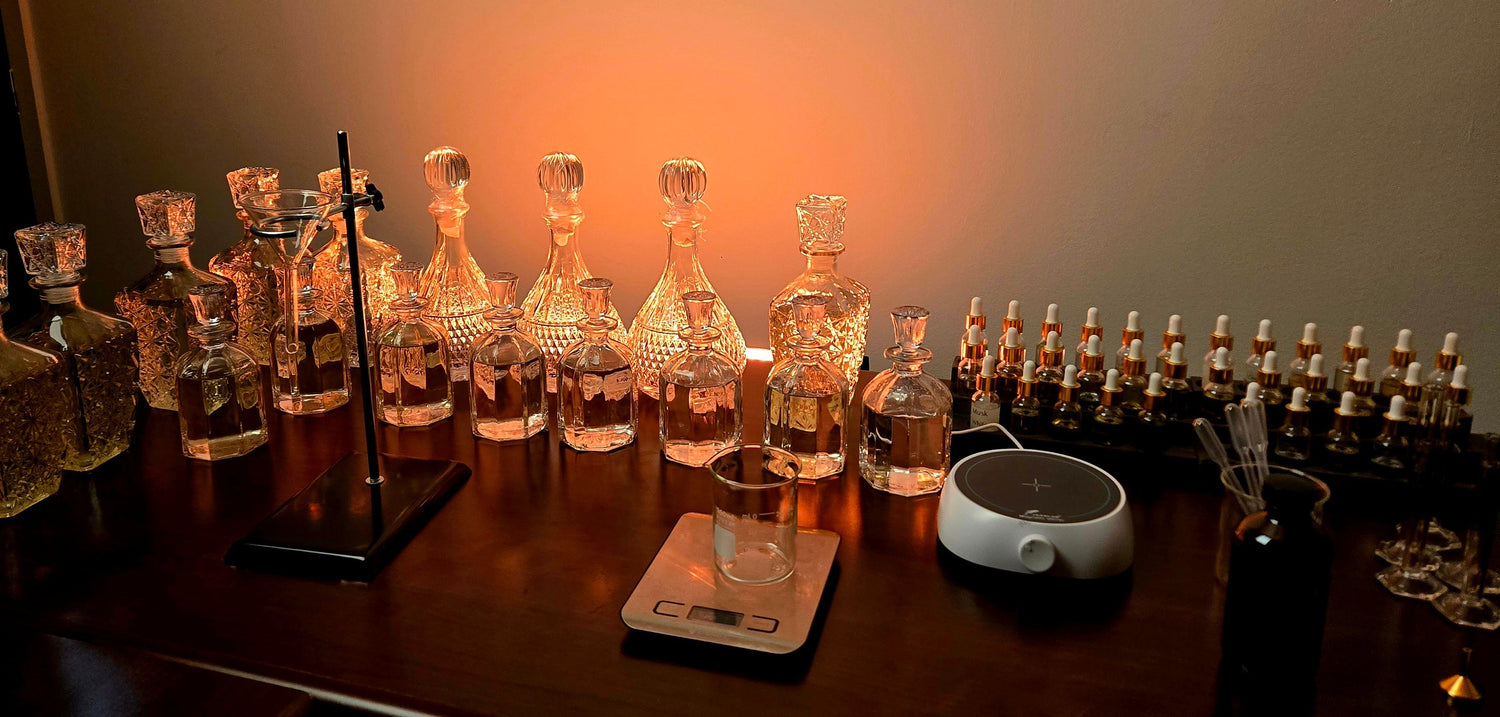
At Yom & Layl Perfume Bar, we believe in fresh, made-to-order fragrances. Every perfume is handcrafted when you place your order—no sitting in storage tanks for weeks.
That means:
- You're getting the freshest possible version of your scent
- Our high 40% oil concentration gives immediate richness
- With a little patience, you can mature your perfume at home and enjoy its full potential
Why You Should Store Perfume in the Fridge
To replicate the benefits of industrial perfume aging at home, placing your perfume in the fridge for 3–5 days can dramatically accelerate the maceration process. Here's why:

1. Better Molecular Bonding
Cold temperatures slow down kinetic activity, allowing fragrance oils and alcohol to bind more evenly. This leads to a smoother scent profile with greater balance across top, heart, and base notes.
2. Preserves Top Notes
Fragile citrus and herbal top notes evaporate quickly at room temperature. Refrigeration preserves these notes, ensuring they shine once the fragrance settles.
3. Stabilizes Oil-Based Blends
Many artisanal perfumes—like ours—contain oils and resins. The fridge helps prevent ingredient separation, keeping your perfume uniform and consistent.
4. Slows Oxidation
Cool, dark environments protect your fragrance from oxidation and light damage, helping it mature gracefully.
Tips for Fridge Maceration at Home
- Seal bottles tightly to prevent contamination from food odors.
- Store perfume upright in the fridge, away from the freezer section.
- After 3–5 days, allow your perfume to return to room temperature before applying.
- Avoid shaking—gentle swirling is best to maintain structure.
Final Thoughts: Fast-Tracking Fragrance Maturity
While industrial perfume aging requires time, space, and equipment, you can speed up perfume maceration at home with just a refrigerator and a bit of patience. Whether you're exploring a new scent or trying to unlock the full richness of your Yom & Layl fragrance, this method is a safe, effective shortcut to mature, long-lasting perfume.
Explore handcrafted, fresh-to-order scents today at Yom & Layl Perfume Bar and take your fragrance experience to the next level.
2 comments
yeah dont do this lmao shi will slow down the process. oh you dont believe me. ok let me get the fuqqing ai to do 20 mins of research and give me a master summary.
“Putting fragrance in the fridge does not speed up maceration; it actively stalls the chemical integration process. Maceration requires a consistent temperature of 15-20°C to allow heavy aromatic molecules to dissolve and integrate with alcohol. Refrigerator temperatures (4-5°C) drastically reduce molecular kinetic energy, causing dissolution to slow to near-zero and preventing the ingredients from blending properly.
Storing perfume in the fridge introduces significant risks that can degrade the scent:
Phase Separation and Cloudiness: Cold temperatures lower the solubility of natural oils, musks, and resins, causing them to precipitate out of the alcohol. This creates a reversible haze or permanent crystallization, rather than the smooth integration sought in maceration.
Thermal Stress and Condensation: Frequent temperature fluctuations from opening the fridge door cause condensation inside the bottle. This introduces water droplets and thermal stress, which can damage the fragrance’s stability and alter its chemical composition.
Ineffective for Finished Bottles: Commercially produced perfumes are already macerated at the factory. For home-blended mixes, time is the only effective agent for integration; cold storage merely preserves the current state without improving it, while proper storage in a cool, dark, and stable environment is sufficient for long-term preservation. "
I bought royal night out which is suppose to smell like amber auod. I let it sit in fridge for 7 days and still smells like alcohol I smell none of the notes